When the conversation turns to the best sports teams’ logos, the debate usually starts with a cold beer and ends with someone shouting about their hometown team. That is not what we are doing here. The internet is littered with decade-old rankings (looking at you, Bleacher Report 2014) and Reddit threads where a Yankees fan and a Dodgers fan argue past each other like ships in the night. This 2026 ranking strips away the tribal loyalty and judges these marks on design merit, cultural gravity, and the simple question: Does this logo make you feel something the moment you see it? We are looking at the top 30 across the NFL, NBA, MLB, NHL, and a select few NCAA programs, blending cold design critique with the warm pulse of fan sentiment. Some of these are untouchable classics. Others are clever puzzles hiding in plain sight. A few deserve a second chance. All of them define what it means to wear a city on your chest.
What Makes a Sports Logo “The Best”? (Our Criteria)
Ranking the best sports teams’ logos without a framework is just a popularity contest. We built this list on four pillars. First, timelessness. A great logo should look as fresh on a 2026 jersey as it did on a 1970s pennant. If a design needs a refresh every decade, it failed the first time. Second, cleverness. The hidden arrows, negative-space letters, and subtle historical nods separate a good mark from a genius one. Third, scalability. The logo has to work on a phone screen, a giant video board, and a beer koozie without losing its soul. Fourth, cultural resonance. A casual fan in another country should see the mark and immediately connect it to the team, the city, or the sport.

We also applied a few hard tests. The silhouette test: if you cannot recognize the logo in solid black, it is too complex. The color test: if the logo only works in specific colors, it is fragile. Too many modern rebrands fail both. They chase the “corporate flat” trend and end up looking like a tech startup’s app icon. We blended our design critique with fan sentiment data from forums like SportsLogos.net, but we did not let nostalgia hijack the process. The logo has to earn its spot.
The Top 10 – The Untouchables (The Gold Standard)
#1 – Chicago Bulls (NBA)
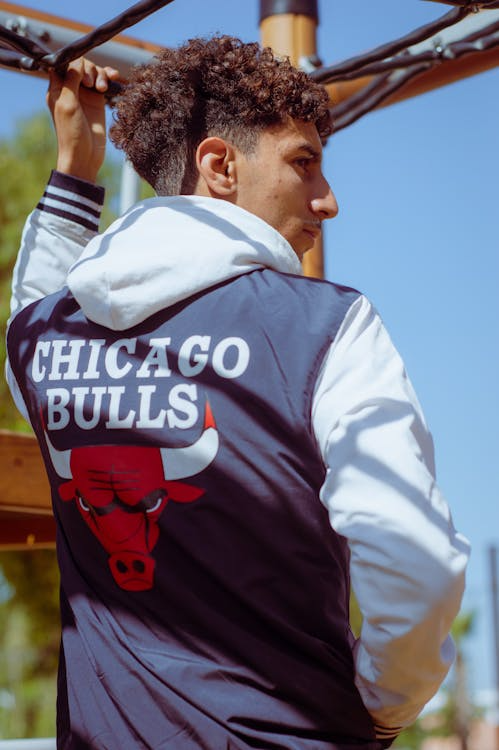
The most recognizable sports logo on the planet. The charging bull is a masterclass in controlled aggression. The face is symmetrical, the horns are sharp but not cartoonish, and the red and black palette is so iconic that a toddler can spot it from across a mall. The Bulls have never needed a redesign because the mark does not belong to a decade. It belongs to the idea of dominance. Michael Jordan made the logo famous, but the logo made the brand bulletproof. Even in losing seasons, the bull still looks ready to gore someone.
#2 – New York Yankees (MLB)
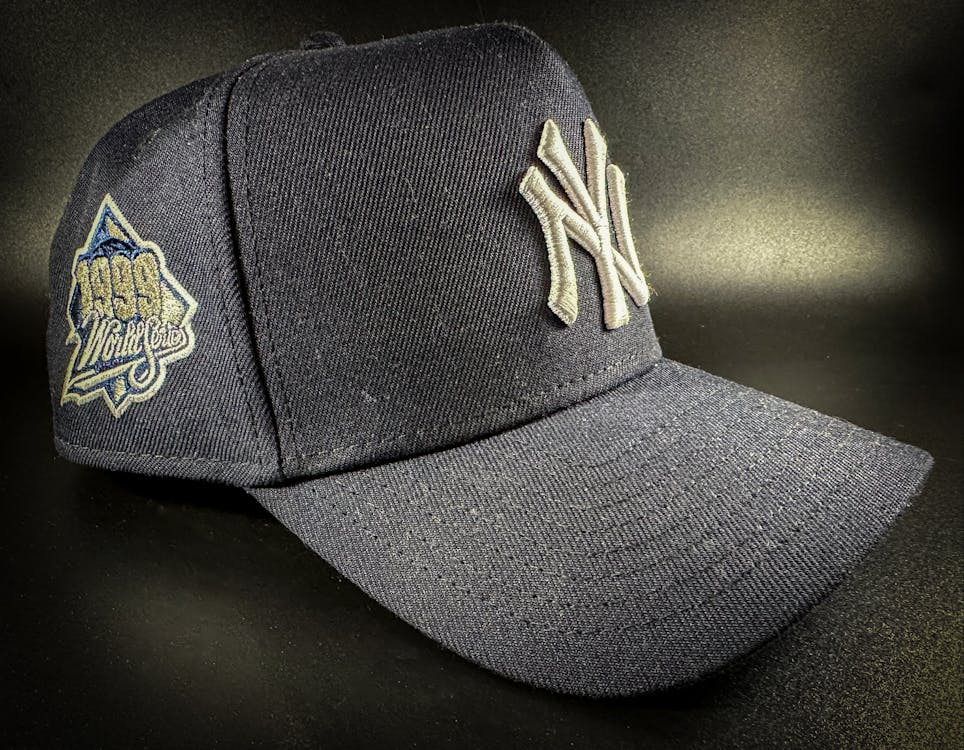
If minimalism had a throne, the Yankees would be sitting on it. The interlocking “NY” is not just a logo. It is a global fashion statement. Designed in 1909 by Tiffany & Co., the mark has outlived every trend, every rival, and every attempt to modernize baseball. It works in pinstripes, on a fitted cap in London, or spray-painted on a wall in the Bronx. No other logo is so closely associated with winning, and no other logo proves that typography alone can carry a century of history.
#3 – Green Bay Packers (NFL)
The “G” is a geometric miracle. The oval shape, the unique tail on the letter, and the forest green and gold palette create a mark that feels both industrial and warm. When the Packers tried to modernize the logo in the 1980s, fans revolted so hard the team backed off immediately. That is the power of a perfect mark. The “G” represents the only publicly owned franchise in major American sports, and it looks like it belongs on a steel beam as much as a helmet.
#4 – Montreal Canadiens (NHL)
The “CH” crest is the oldest logo in hockey and one of the oldest in all of sports. The “C” wraps around the “H” in a way that feels both regal and aggressive. The barber pole sweater stripes are inseparable from the mark itself. This logo has survived world wars, league expansions, and a century of cultural change without losing an ounce of prestige. It is not just a hockey logo. It is a piece of Canadian identity.
#5 – Los Angeles Lakers (NBA)

The gold and purple palette is iconic on its own, but the silhouette of the basketball and the forward-leaning text create a sense of motion that defines the “Showtime” era. The Lakers logo does something rare: it captures speed without looking frantic. The ball streaks across the wordmark like a comet, and the whole thing feels like a sunset over the Pacific. It is Hollywood without being gaudy, and it has aged beautifully since its 1976 debut.
#6 – Pittsburgh Steelers (NFL)
The Steelers are the only team in the NFL to wear their logo on just one side of the helmet. That asymmetry is a flex. The “Steelmark” symbol, with its three hypocycloids in yellow, red, and blue, represents the steel industry that built Pittsburgh. The colors stand for coal, iron ore, and steel scrap. This is a logo with a resume. It tells a story about a city’s working-class roots, and it does so with a brutal simplicity that no focus group could ever invent.
#7 – St. Louis Cardinals (MLB)
Two cardinals perched on a bat. At first glance, it is a charming piece of Americana. Look closer, and the negative space between the birds’ beaks forms a subtle “STL.” That is the kind of design Easter egg that rewards attention. The Cardinals have worn some version of this mark since the 1920s, and the current iteration, refined in 1998, strikes the perfect balance between detail and clarity. It is ornate without being fussy, and it looks spectacular on a cream home jersey.
#8 – Chicago Cubs (MLB)

The blue “C” with the red circle is a study in simplicity and nostalgia. The Cubs logo does not need to scream. It just needs to remind you of Wrigley Field, ivy-covered walls, and summer afternoons. The circular shape makes it perfect for caps, and the color combination is so distinctive that the Cubs rarely need to include the team name for recognition. This logo has survived curses, droughts, and a century of heartbreak, and it still feels optimistic.
#9 – Dallas Cowboys (NFL)
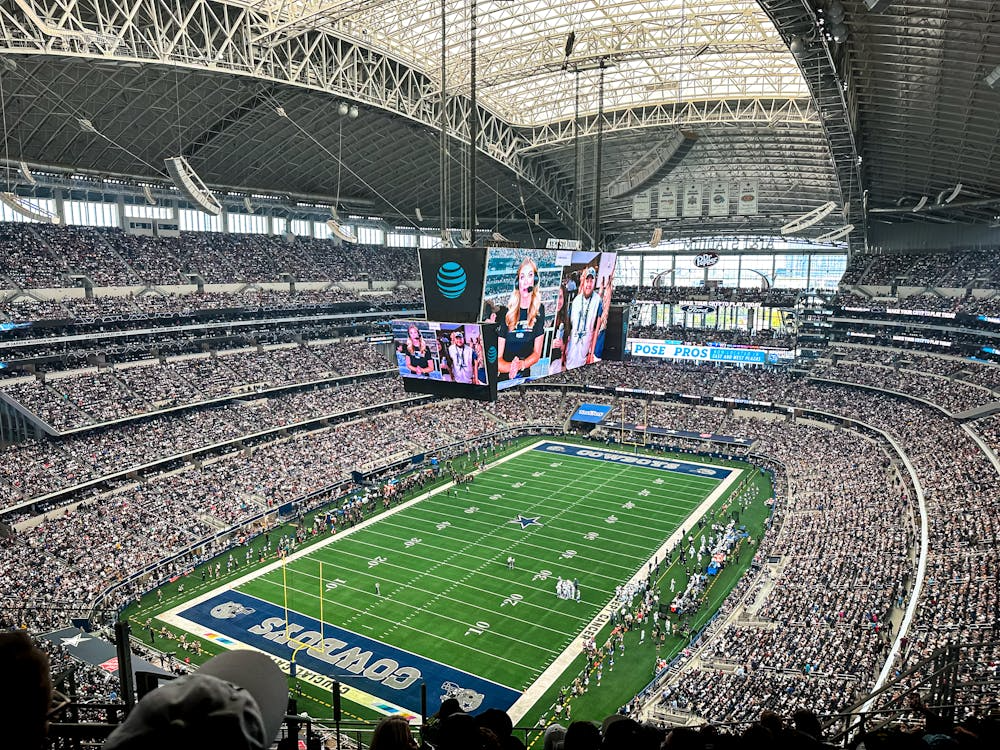
The lone star. The blue star on the silver helmet is arguably the most famous helmet in football. The Cowboys built their “America’s Team” brand on this single, unadorned shape. It is confident to the point of arrogance, which fits the franchise perfectly. The star is a universal symbol, but the Cowboys own it in the sports world. No wordmark needed. No mascot. Just a star and the expectation that you already know who you are looking at.
#10 – Boston Red Sox (MLB)

The hanging socks logo feels more like a city crest than a corporate brand. The typography on the “Boston” script is warm and slightly old-fashioned, and the pair of red socks dangling from the letters is a direct nod to the team’s name without being literal. This logo has survived the Curse of the Bambino, multiple championships, and the relentless pressure to modernize. It looks like it belongs on a pub sign in Fenway, and that is exactly the point.
The Masters of Negative Space (Clever Design Secrets)
The Hartford Whalers (NHL – Retro)
The gold standard of hidden imagery. The whale tail and the “W” form a perfect “H” in the negative space between them. The logo is so clever that it has become more famous than the team itself. The Whalers left Hartford in 1997, but the logo lives on in streetwear, tattoos, and the hearts of design nerds everywhere.
The Milwaukee Brewers (MLB – Current)
The glove forming an “M” and a “B” is a magic trick you can wear on a hat. The baseball sits right where the pocket of the glove would be, and the whole thing reads as both a piece of equipment and a team monogram. It is playful without being childish, and it replaced a forgettable 1990s mark to become one of the best logos in baseball.
The Big Ten Conference (NCAA)
The “10” hidden in the negative space between the “B” and the “G” is a nod to the conference’s name that most fans miss for years. Once you see it, you cannot unsee it. The logo also incorporates the “11” in the negative space of the “T” and “E,” a quiet tribute to the conference’s expansion history. It is a design that rewards curiosity.
The Tour de France (International)
The word “Tour” contains a cyclist. The “R” becomes the rider’s body, the “O” is the rear wheel, and the yellow circle is the front wheel. This is a global benchmark for clever logo design, and it proves that a mark can be both playful and prestigious. It works in any language and any format.
The Edmonton Oilers (NHL)
The oil drop is not just a drop. The five rivulets of oil dripping down represent the team’s five Stanley Cup championships. The logo also connects directly to the franchise’s origins as a team sponsored by Gulf Oil. It is a history lesson in a single mark, and the copper and navy palette gives it a distinct identity in a league full of red and blue.
The Comeback Kids – Logos Teams Should Bring Back (2026 Edition)
The “Pac-Man” Philadelphia Phillies (MLB – 1970s)
The red “P” with the yellow outline looks like Pac-Man, and Phillies fans love it for exactly that reason. This logo represents the “Broad Street Bullies” era of Philly sports, a time when the city’s teams played with a chip on their shoulder. The current Phillies mark is fine. This one is fun. There is a difference.
The “Mighty Ducks” Anaheim Ducks (NHL – 1990s)
The mask and the duck bill. The original Mighty Ducks logo was born from a Disney movie, and it embraced that origin with a cartoonish swagger. The current webbed-foot “D” is too corporate, too serious, and too forgettable. The old logo was a cultural artifact. Bring it back for the nostalgia alone.
The “Running Man” Vancouver Grizzlies (NBA – Retro)
The teal, red, and black palette. The snarling bear. The “running man” secondary logo. The Grizzlies left Vancouver in 2001, but their visual identity is more popular now than when the team existed. Streetwear brands have kept this logo alive, and the current Memphis Grizzlies could learn a lesson from its bold, unapologetic energy.
The “Buffaslug” Buffalo Sabres (NHL – 2000s)
The angry slug. This is a controversial pick. The “Buffaslug” was widely mocked during its run, but it has developed a cult following in the years since. It is a reminder that “bad” logos can still be beloved. The slug was weird, aggressive, and completely unique. In a league full of safe designs, weird is valuable.
The “Pistol Pete” Oklahoma State (NCAA)
The cowboy shooting a pistol. Cultural shifts led Oklahoma State to retire this mark, but fan demand for its return has never faded. The logo captured a specific spirit of the American West, and its absence leaves a gap in the college sports landscape. Whether it ever comes back is a question of politics, but its design legacy is secure.
The Modern Minimalist Trend – Good or Bad?
The NBA and MLB have spent the last decade chasing flat design. The Utah Jazz ditched their mountain logo for a simple “J” note. The Milwaukee Bucks simplified their buck. The trend is clear: two colors, no gradients, no depth. The logic is sound. Flat logos scale better on digital screens and merchandise. But the execution often strips away character.
The Pittsburgh Penguins learned this lesson the hard way. Their 1990s “corporate-looking redesign” replaced the skating penguin with a stern, geometric bird. Fans hated it. The team eventually returned to the classic design, proving that a logo is not just a graphic. It is an emotional contract.
The counter-argument is the New York Knicks and Chicago Bulls. Both logos are simple, flat, and timeless. The problem is not minimalism. The problem is boring minimalism. A logo that looks like it was generated by a branding agency in an afternoon is not a logo. It is a placeholder. The 2026 trend is clear: fans are pushing back against sterile redesigns. The shift is back toward retro, authentic marks that feel like they belong to a city, not a quarterly earnings report.
The Worst Logos in Sports (A Necessary Counterpoint)
The Washington Commanders (NFL)
The “W” is a generic placeholder. The rebrand from the previous name was an opportunity to build a new identity. Instead, the team chose a mark that looks like a default font on a word processor. It lacks history, personality, and any connection to the city it represents.
The Los Angeles Clippers (NBA – Current)

The basketball with the “LAC” is a masterclass in how to make a logo look like clip art. The angles are awkward, the typography is forgettable, and the whole thing feels like a rough draft that accidentally got approved.
The Cleveland Guardians (MLB)
The “G” with the wings tries to reference the “Guardians of Traffic” statues on the Hope Memorial Bridge. The concept is solid. The execution is not. The winged baseball feels disconnected from the name, and the mark lacks the weight of a major league identity.
The Anaheim Ducks (NHL – Current)
The webbed foot “D” is a minor league logo pretending to be a major league mark. It replaced the beloved Mighty Ducks identity and offered nothing in return except a shape that looks vaguely like a duck track. It is safe, sterile, and completely unmemorable.
The Carolina Hurricanes (NHL – Current)
The hurricane warning flag is a confusing shape that lacks the energy of the sport. The two flags twisted together read more like a maritime signal than a hockey logo. The concept is there, but the execution leaves fans squinting.
How to Choose the Best Logo (A Quick Guide for Fans)
Apply the silhouette test. If you cannot recognize the logo in solid black, it is too complex. Apply the color test. If the logo only works in a specific color combination, it is fragile. The Yankees “NY” works in any color on any surface. That is the standard.
Apply the five-year test. Will this logo look dated in 2031? Avoid trends like gradients, 3D bevels, and overly thin typography. Trends fade. A logo should not.
Apply the fan test. Does the logo make you feel something? The best marks spark a memory, a place, a person. They are not just graphics. They are flags. When you see the right logo, you do not analyze it. You feel it. That is the difference between a good logo and a great one.
Frequently Asked Questions About Sports Logos
What is the most iconic sports logo of all time? The Chicago Bulls and New York Yankees consistently top brand recognition surveys. The Bulls mark is more visually dynamic, while the Yankees mark is the most culturally embedded in fashion and global identity.
What is the oldest sports logo still in use? The New York Yankees interlocking “NY” dates to 1909. The St. Louis Cardinals have used variations of their birds-on-bat mark since the early 1920s. The Montreal Canadiens “CH” crest has been in continuous use since 1917.
Which sports logo has a hidden meaning? The Hartford Whalers “H” formed by the whale tail and negative space “W” is the most famous example. The Milwaukee Brewers glove forming an “M” and “B” is a close second. Both are explored in detail in our negative space section above.
Why did teams change their logos? Reasons typically include brand modernization, increased licensing revenue from new merchandise, or a desire to distance the franchise from controversy. The Washington Commanders rebrand is the most prominent recent example of the latter.
What is the most hated sports logo? The Washington Commanders “W” and the Anaheim Ducks webbed foot “D” are frequent targets of fan criticism. Both are criticized for lacking personality and feeling like corporate placeholders rather than authentic sports marks.