
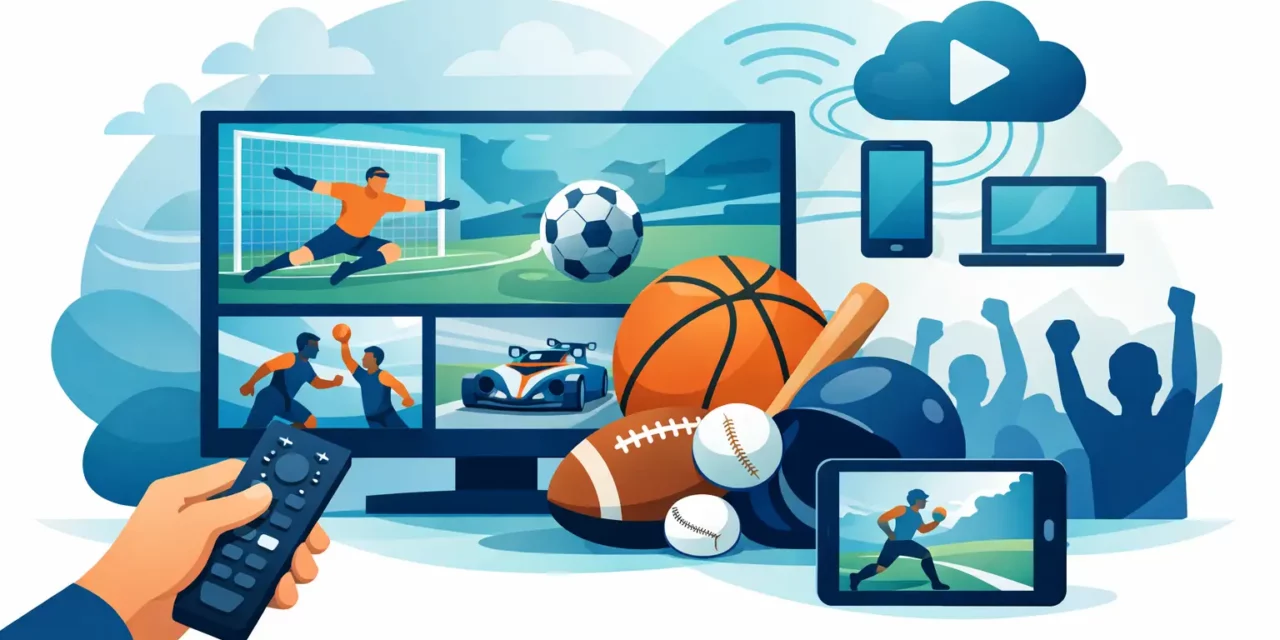
Saturday nights used to be simple. You knew where the big game was, where the pay-per-view was, and what channel carried the postgame noise. Now, if you want to track a playoff race, a boxing card, a Formula 1 weekend, and a wrestling premium live event, you are also managing apps, logins, blackouts, and monthly bills. That is the clearest way streaming changed sports entertainment – it gave fans more access, more choice, and a lot more homework.
This shift did not just change where people watch. It changed what sports feel like as products, how leagues package themselves, how promotions build stars, and how fans talk about moments in real time. Sports are still sports. The games still matter. The fights still matter. But the delivery system now shapes the experience almost as much as the action itself.
Why streaming changed sports entertainment so fast
Part of the answer is simple: live sports are one of the few things people still want to watch right now, not later. That makes them gold in a media business built around subscriptions and retention. Scripted shows can be binged next week. A title fight, rivalry match, or NFL Sunday slate feels urgent in the moment.
Streaming platforms saw that urgency and went after it hard. Leagues saw new bidders with deep pockets and started slicing rights into more packages. Broadcasters, tech companies, and league-owned services all wanted a piece. Fans got a flood of options, but the old one-stop cable bundle was replaced by a scattered map.
There is a trade-off here. If you are a dedicated fan, streaming can feel like a dream. More shoulder programming, more archives, more alternate feeds, and easier access to niche sports that never got major TV love. If you are a casual fan, it can feel like a maze. You no longer just turn on the TV and stumble into a game. You need to know where the game lives first.
The fan experience is better and worse at the same time
That contradiction is the whole story. Streaming improved convenience in obvious ways. Watching on a phone, tablet, laptop, or smart TV is now normal. If you travel, you can still keep up with your team. If you miss live action, replays and highlights are usually right there. If you love undercovered sports like MMA prospects, lower-tier soccer, wrestling archives, or niche combat promotions, streaming opened doors cable never bothered to unlock.
At the same time, fans lost simplicity. Subscription stacking is real. One month you are paying for a major streamer, a league app, and a cable replacement package, just to follow one sport properly. Add blackouts, exclusive windows, and technical issues, and the frustration becomes part of the viewing ritual.
That is where sports entertainment feels different now. Watching is no longer passive. Fans are curating their own media package, making monthly choices, and deciding which sports deserve a spot in the budget. The competition is not just team versus team. It is app versus app.
Wrestling and combat sports were built for this era
If you want to understand how streaming changed sports entertainment at its most dramatic, look at wrestling and combat sports. These are genres built around event culture, personality, and fan obsession. They thrive on anticipation and conversation, which makes them a natural fit for streaming platforms hungry for sticky content.
Wrestling especially benefited from the shift. Archive libraries became more valuable because fans do not just want the latest show – they want old pay-per-views, legendary promos, forgotten gimmicks, and the full backstory behind current angles. Streaming turned wrestling history into a living product instead of dusty vault material.
Combat sports saw a similar upside, but with more volatility. Boxing and MMA promotions gained direct paths to fans and more flexibility in scheduling and distribution. They could sell a big event globally without depending entirely on traditional TV infrastructure. That sounds great, and sometimes it is. But it also led to fragmentation, with major fights spread across platforms and pricing models that can test even loyal viewers.
There is also a presentation change. Streamers love documentaries, behind-the-scenes access, and shoulder content. That has helped fighters and wrestlers build identity beyond the ring or cage. Fans now follow training footage, embedded series, press conference clips, and post-event analysis in one ecosystem. The athlete is no longer just competing. They are constantly performing for the content machine.
Rights deals changed the pecking order
Streaming did not only reshape fan habits. It changed leverage. Leagues and promotions with premium live inventory became even more powerful because they offer the one thing streamers cannot fake – a real-time reason to subscribe and stay subscribed.
That has pushed rights fees up and increased the value of sports that deliver reliable engagement. The NFL remains a giant because it owns national attention. The NBA is built for clips and social conversation. Soccer keeps growing because streaming makes global leagues easier to reach. Motorsports benefits from immersive coverage and docs that pull in newer fans. Wrestling and UFC-style products thrive because every event can be sold as must-watch drama.
But there is a middle tier story too. Smaller leagues and niche sports gained visibility through streaming that traditional TV rarely gave them. Some have used that opening well, building loyal fan bases through accessibility and smart packaging. Others have discovered that being available is not the same as being discovered. Streaming creates shelf space, but it does not guarantee attention.
Sports became more like year-round content brands
This may be the biggest cultural shift. Teams, leagues, and promotions are no longer just selling events. They are selling constant relevance. Streaming platforms want content that keeps people inside the app, so sports properties have leaned into documentaries, studio shows, player cams, alternate broadcasts, gambling integrations, and creator-driven companion coverage.
That changed fan expectations. People do not just want the game anymore. They want the reaction show, the trade rumor breakdown, the locker room footage, the old classic replay, and the social clip package before breakfast. The line between sports coverage and sports entertainment got thinner.
That is not always a bad thing. Some of the best modern sports storytelling exists because streaming platforms invested in context. Fans can now understand rivalries, business moves, athlete development, and team culture in a richer way. But there is a downside. Sometimes the extra packaging starts to compete with the event itself. Every moment gets framed as content, and not every sport benefits from that much polish.
The social media effect got stronger
Streaming and social media feed each other. A huge play, knockout, promo, or controversy spreads online in seconds, which drives viewers back to the live product. That feedback loop has made sports feel more immediate and more public.
It also changed what gets valued. Moments that clip well often travel farther than steady excellence. That can be great for star-making. It can also flatten the conversation around sports into viral fragments. Fans know the knockout punch, the celebration, or the heel turn, but not always the full story behind it.
For publishers like That’s All Sport, this creates a real opportunity. Fans still want the quick hit, but they also want someone to explain why the moment matters, how the business is shifting, and what comes next. Streaming made access easier. It also made context more valuable.
What fans gained, and what they lost
Fans gained flexibility, deeper archives, more niche coverage, and stronger access to sports that once sat outside the TV spotlight. They can follow a team on the go, jump into historical content, and discover leagues they never would have found in a cable guide.
They lost centralization. They lost the ease of knowing one subscription covered almost everything. In some cases, they lost reliability too. Lag, buffering, and app failures hit harder when the moment is live and social media is already spoiling it.
And then there is cost. Streaming was once sold as the cheaper, cleaner alternative. For sports fans, that promise has weakened. If you follow multiple leagues seriously, the total can start to look a lot like the old cable bill, just broken into smaller charges.
Where this goes next
The next phase will not be about whether streaming wins. It already did. The real fight is over who can make the experience feel less fragmented. Expect more bundling, more platform partnerships, and more pressure from fans who are tired of hunting down games and events.
At the same time, expect sports properties to keep building themselves as entertainment ecosystems, not just live event businesses. That means more documentaries, more direct-to-fan products, more betting-adjacent features, and more experimentation with how broadcasts look and feel.
The smartest players will remember one thing, though. Fans put up with a lot for live sports, but not forever. People will chase the action across apps if the stakes feel big enough. They will not stay patient with confusion, rising costs, and tech headaches just because the industry says that is the future.
Streaming changed sports entertainment because it turned access into strategy. For fans, that means more power and more responsibility. The trick now is finding the setup that gives you the thrill without making the watch feel like work.




Trackbacks/Pingbacks