Ask ten sports fans what are the combat sports, and you’ll probably get ten slightly different answers. Some will say boxing and call it a day. Others will pull in wrestling, judo, Brazilian jiu-jitsu, kickboxing, and MMA. The real answer is broader than most people think, and that’s exactly why combat sports are so interesting – they sit at the crossroads of athletic skill, tradition, tactics, and pure competitive nerve.
At the simplest level, combat sports are organized athletic contests where one person competes directly against another using strikes, grappling, submissions, throws, or a mix of those skills under a defined ruleset. That last part matters. A fight without rules is just violence. A combat sport has structure, scoring, safety standards, and a clear competitive objective.
What are the combat sports, exactly?
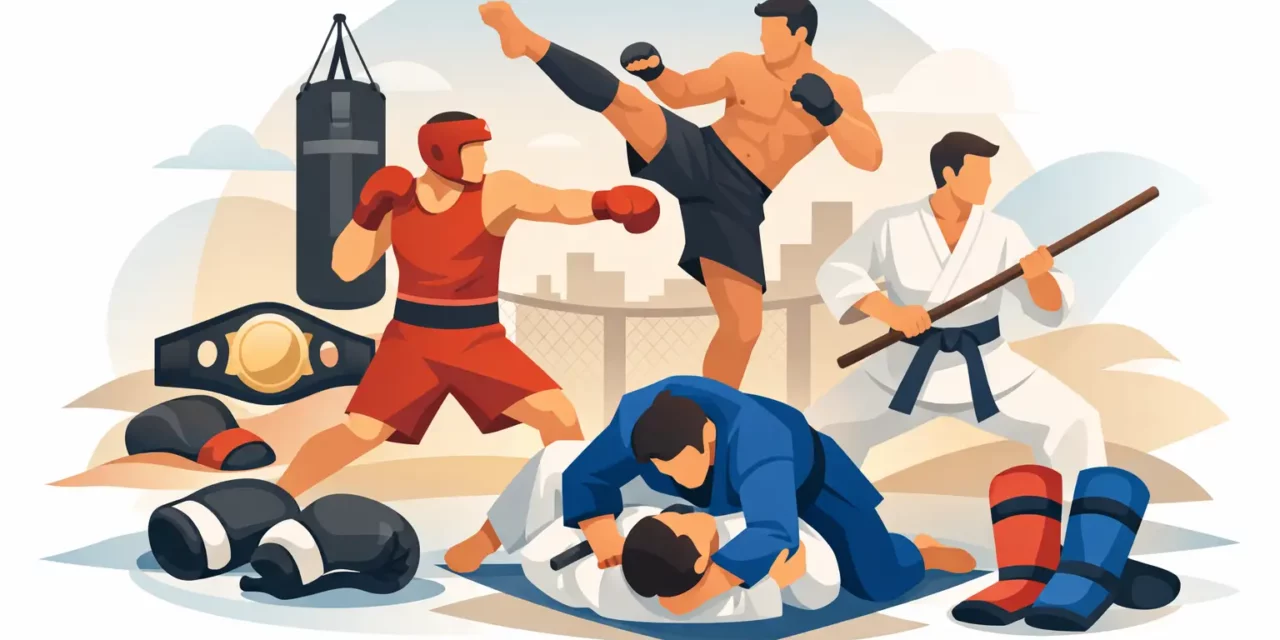
If you want the cleanest definition, combat sports are sports built around controlled physical confrontation between two competitors. The methods vary a lot, but the major families are striking sports, grappling sports, mixed-rules sports, and weapon-based combat sports.
That means boxing is a combat sport, but so is Olympic wrestling. Muay Thai counts. So does judo. MMA counts too, even though it blends multiple styles instead of sticking to one. Fencing is also often placed under the combat sports umbrella because it is a weapon-based duel with rules, scoring, and direct opposition.
Where it gets messy is when people start mixing combat sports with martial arts as if they mean the same thing. They overlap, but they are not identical. A martial art can be practiced for self-defense, tradition, discipline, fitness, or performance. A combat sport is specifically set up for competition. Plenty of martial arts have a sport version, but not every martial art is primarily a sport.
The biggest categories of combat sports
The easiest way to understand the landscape is to group sports by how athletes win exchanges.
Striking combat sports
Striking sports are the ones most casual fans recognize first. These involve punches, kicks, knees, elbows, or some combination of them, depending on the rules.
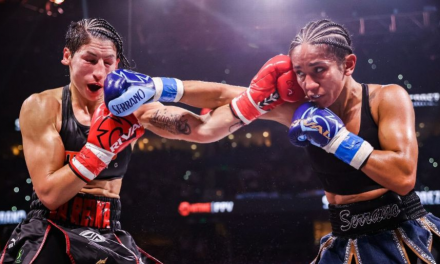
Boxing is the clearest example. It is all about punches, defense, footwork, timing, and ring control. Because the weapon set is limited to the fists, boxing often looks simple from the outside, but that simplicity creates insane depth. Angles, range management, feints, and shot selection become everything.
Kickboxing expands the menu by allowing kicks alongside punches, though the exact rules differ by promotion and style. Some forms emphasize low kicks, some reward volume, and some sit closer to karate-style point fighting.
Muay Thai is often called the art of eight limbs because fighters can use punches, kicks, knees, and elbows. Clinch work is also a huge part of the sport, which gives it a very different rhythm than standard kickboxing. To untrained eyes, they can look similar. To serious fans, the differences are massive.
Karate can also function as a combat sport when practiced in competition. Depending on the format, matches may prioritize speed and precision over sustained damage. That makes it feel very different from boxing or Muay Thai, even though all three are striking sports.
Grappling combat sports
Grappling sports are built around controlling, throwing, pinning, or submitting an opponent rather than striking them.
Wrestling is one of the oldest and most physically demanding combat sports on the planet. In styles like freestyle and Greco-Roman, athletes score through takedowns, exposure, and control. Folkstyle wrestling, which many American fans know from high school and college competition, adds a different emphasis on rides, escapes, and mat control.
Judo focuses heavily on throws, off-balancing, grip fighting, and submissions. A perfect throw can end a match instantly, which gives judo a dramatic, high-stakes feel. The stand-up exchanges are often explosive, but the setup work is incredibly technical.
Brazilian jiu-jitsu centers on positional control and submissions, especially on the ground. BJJ can look slower to new viewers, but once you understand what is happening, every grip change and weight shift becomes part of the story. A match can swing from dominant control to danger in seconds.
Sambo, particularly sport sambo and combat sambo, also belongs in this conversation. It blends grappling elements with different rulesets depending on the version. Combat sambo adds strikes, making it an important bridge between pure grappling and mixed combat formats.
Mixed combat sports
This is where things get especially popular in the modern fan landscape.
Mixed martial arts, or MMA, combines striking and grappling in one ruleset. Fighters can punch, kick, wrestle, clinch, and submit, though what is allowed depends on the promotion and regulatory body. It is the most complete test of one-on-one unarmed fighting skills in mainstream sport, which is a big reason it exploded globally.
MMA also changed how fans think about other combat sports. It pushed more people to see boxing, wrestling, Muay Thai, and BJJ not as isolated worlds but as parts of a larger ecosystem. A boxer might have sharper hands. A wrestler might control where the fight happens. A jiu-jitsu specialist might threaten submissions from bad-looking positions. MMA turned style matchups into mainstream sports entertainment.
That said, mixed does not automatically mean better. Purists will rightly point out that specialized sports reveal a different kind of mastery. Watching elite boxing is not the same experience as watching elite MMA, and it should not be.
Weapon-based combat sports
Not every combat sport is empty-hand fighting.
Fencing is the best-known example, with foil, épée, and sabre each carrying distinct rules and tactical demands. The sport is incredibly fast, technical, and strategic. It may not resemble boxing or wrestling on the surface, but it still fits the core definition of regulated one-on-one combat.
Kendo and some other weapon disciplines can also be discussed in this broader category, though whether fans include them in everyday “combat sports” talk depends on context. In American sports media, they usually get less attention than boxing, wrestling, or MMA.
What separates combat sports from martial arts?
This is the question that trips people up the most. Combat sports are competitive by design. Martial arts are broader systems of training and practice.
Take taekwondo. It is a martial art, but Olympic taekwondo is a combat sport. The sport version has rules, scoring zones, time limits, and banned techniques. The martial art as a whole includes forms, philosophy, rank progression, and training methods that go beyond competition.
The same basic idea applies to karate, judo, and jiu-jitsu. Some schools train heavily for tournaments. Others are more focused on self-defense, tradition, or personal development. So if you’re asking what are the combat sports, you’re really asking which disciplines have an established competitive format based on direct physical opposition.
Why rules matter so much
Rules are not just there for safety. They shape the identity of the sport.
Boxing’s rules create a game of hands, head movement, and ring IQ. Wrestling’s rules create pressure, pace, and positional dominance. Judo’s scoring rewards decisive throwing. BJJ rules can dramatically change strategy depending on whether the event values points, positional control, or submission-only outcomes.
That is why style comparisons can get tricky. A boxer is not “missing” takedowns because boxing forgot something. Boxing is built to isolate and reward a specific skill set. Same goes for every combat sport. The rules tell you what the sport wants from its athletes.
Which combat sports are the most popular?
In the United States, boxing, MMA, and wrestling usually lead the mainstream conversation. Boxing still carries legacy star power and major-event appeal. MMA has become the all-around modern giant for younger fans who like style variety and constant action. Wrestling has a massive participation base at the school and collegiate levels, even if it gets less mainstream media shine than it deserves.
Globally, popularity shifts by country and culture. Muay Thai is central in Thailand. Judo has huge international reach. Sambo has deep roots in Eastern Europe and Russia. BJJ has grown far beyond Brazil and now has a strong tournament and gym culture across the US.
That variety is part of the fun. Combat sports are not one thing. They are a family of sports with different histories, values, and fan bases.
So, what are the combat sports fans should know first?
If you are just getting into the category, start with the core names you’ll hear most often: boxing, wrestling, kickboxing, Muay Thai, judo, Brazilian jiu-jitsu, and MMA. Those sports cover the main styles of striking, grappling, and mixed competition. From there, you can branch into karate, taekwondo, sambo, and fencing depending on what grabs you.
The best way to understand them is not to search for one perfect master list. It is to learn what each ruleset rewards and what kind of athlete it creates. A knockout artist, a chain wrestler, a submission hunter, and a counter striker are all solving the same problem in different ways.
That’s what keeps combat sports compelling year after year. Beneath the punches, throws, scrambles, and scorecards, you are watching problem-solving under pressure. Once you see that part, every fight gets a lot more interesting.